


24 May
Developing Your Musical Voice
Mastering a musical instrument requires countless hours of practice, relentless dedication and a highly disciplined mindset capable of great persistence and sacrifice. Mastery is a courageous goal and often sought by musicians of varying camps but rarely achieved.
Every instrument has it’s own particular set of technical boundaries and physical hurdles that need to be overcome before the grander task of making music can be considered. Music can be created at many different levels but mastery assumes an exceptionally high level of skill and a deep knowledge of the many elements that make up the artform.
Mastery may be one of the primary goals of a serious musician but there is another equally worthy challenge not to be overlooked and that is the one of developing a unique musical voice. Iindividuality can also function as an element of mastery but the two concepts are not necessarily dependent on the other. Wherever you are on your musical journey you can begin to nurture a distinctive and recognisable musical voice.
Acquiring a unique voice as a musician is potentially one of the greatest opportunites for self expression that functioning as an artist has to offer. Self expression is an intrinsic part of all art forms just as it is in just simply being human. There is beauty in our commonalities but we can also celebrate our remarkable differences as expressive beings. As we become more aware and attuned to the idea of music being a vehicle for self expression we can start to identify more with our own musical personality and begin to shape it.
To begin to establish our own voice as musicians we need to be able to recognize, access and project our individuality through our musical instrument within the structure of our particular art form. An identifiable sound is something truly worth pursuing and the rewards are available to all of us if we allow ourselves the opportunity. Here is a list of a few simple but very effective methods that can help you to start developing your musical identity.
1. Record yourself regularly.
There’s nothing quite like recording yourself to gain insight into what you sound like on your instrument. It will reveal elements of your playing that you were not aware of both good and bad. It’s great for your overall development but also extremely beneficial when it comes to sifting through creative ideas and keeping the ones that reflect your unique sound. When I was a student I had to borrow a friends four track tape recorder and batch of cheap microphones to achieve this. Now it’s so easy with smartphones and Ipads there’s really no reason not to do this.
2. When you do something that you like, do it again until you remember it.
Whether you are recording yourself or not, try to find ideas that sound good and repeat them. Pay special attention to the good ideas when they come up and play them many times so that you can shape them, perfect them and remember them. Playing a particular style or tempo or over a particular chord progression is a good way to do this. This creates a structure for you to work within so that you can focus more easily on the little ideas and motifs as they reveal themselves.
3. Construct your own rhythms, fills, beats, short solos and either record them or write them down.
Developing a sound requires innovation and invention. You don’t have to reinvent the wheel but you can craft your individual sound by consciously constructing your own musical ideas. This is similar to point 2 but now your mission is to create original and meaningful musical excerpts. Fills, beats and various other short phrases or solos can be constructed note for note to achieve great additions to your original musical arsenal.
4. Listen to other musicians and try to identify what makes them different.
Listening to other musicians is a huge part of how we learn to play music. When developing your own style, listening to other musicians helps you to recognize their particular musical traits and can spark ideas about how you want to sound. It will also refine your listening skills and help you to focus more when you play.
5. Copy other musicians then change what they play turning their idea into something different
Emulating other musicians is an important and natural part of your musical development. Copying allows you to understand what other musicians do so that ultimately you can rework the ideas into something more original. As you advance you will ultimately be able to capture the essence of players that you admire to help stylize your own musical personality.
6. Don’t be afraid to come up with bad ideas.
Playing bad ideas isn’t always the most enjoyable experience. Like it or not sounding bad and playing ideas that don’t work or sound good is all part of the process of becoming a better musician. Bad ideas will pave the way for the better ideas. It’s a bit like sifting through garbage to find some gems. Sometimes you won’t find anything but other times you will strike gold. Most good ideas are crafted in the same way a sculpture is carved from a lump of wood. Give your ideas time to shape themselves.
7. Only play what you hear.
Play less of what your hands and feet feel like playing and allow your musical mind to dictate your ideas. Playing only what you hear means always aiming to make a direct connection between what you think musically and what you physically process on your instrument. When you play with other people it also relates directly to what they are playing. A musical ensemble works as a unit and playing what you hear and enhancing what other people are playing is paramount.
8. Learn to relax and focus
It might sound kind of obvious but it can actually be hard to do. The more relaxed you are the more in control you will feel and the clearer your mind will be. Being free from tension and staying focused is essential to getting the best out of your abilities and allows you to stay in the moment without distractions. This applies to any activity but makes for a much better experience when it comes to playing music.
9. Play along to recorded music
This is perhaps one of the most important things that you can do regularly to develop your overall musicianship as well as your individual voice. Playing along to recorded music gives you a ready made and realistic format to practice our instrument. It can also helps you to absorb some of the important elements of our favourite musicians into our own playing including timing and groove which we can use to strengthen our own style.
10. Playing with real people.
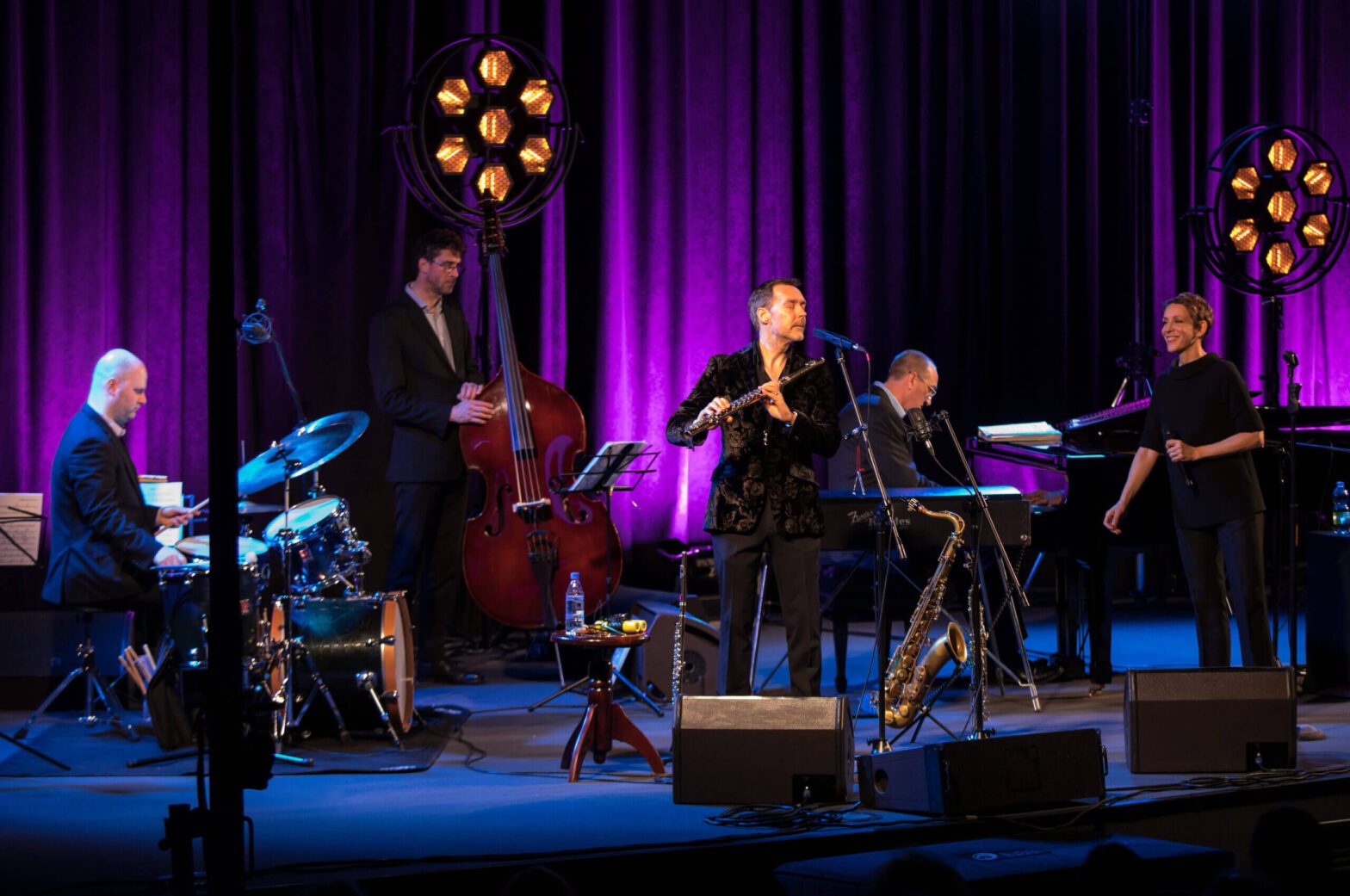
There is nothing quite like playing with other people. Aside from the joy of creating music with like minded people it is the perfect opportunity to put your musical abilities into action In the most realistic environment. In terms of building your own sound it is a wonderful process of interaction where the spontaneity that you experience paves the way for your own sound to reveal itself.